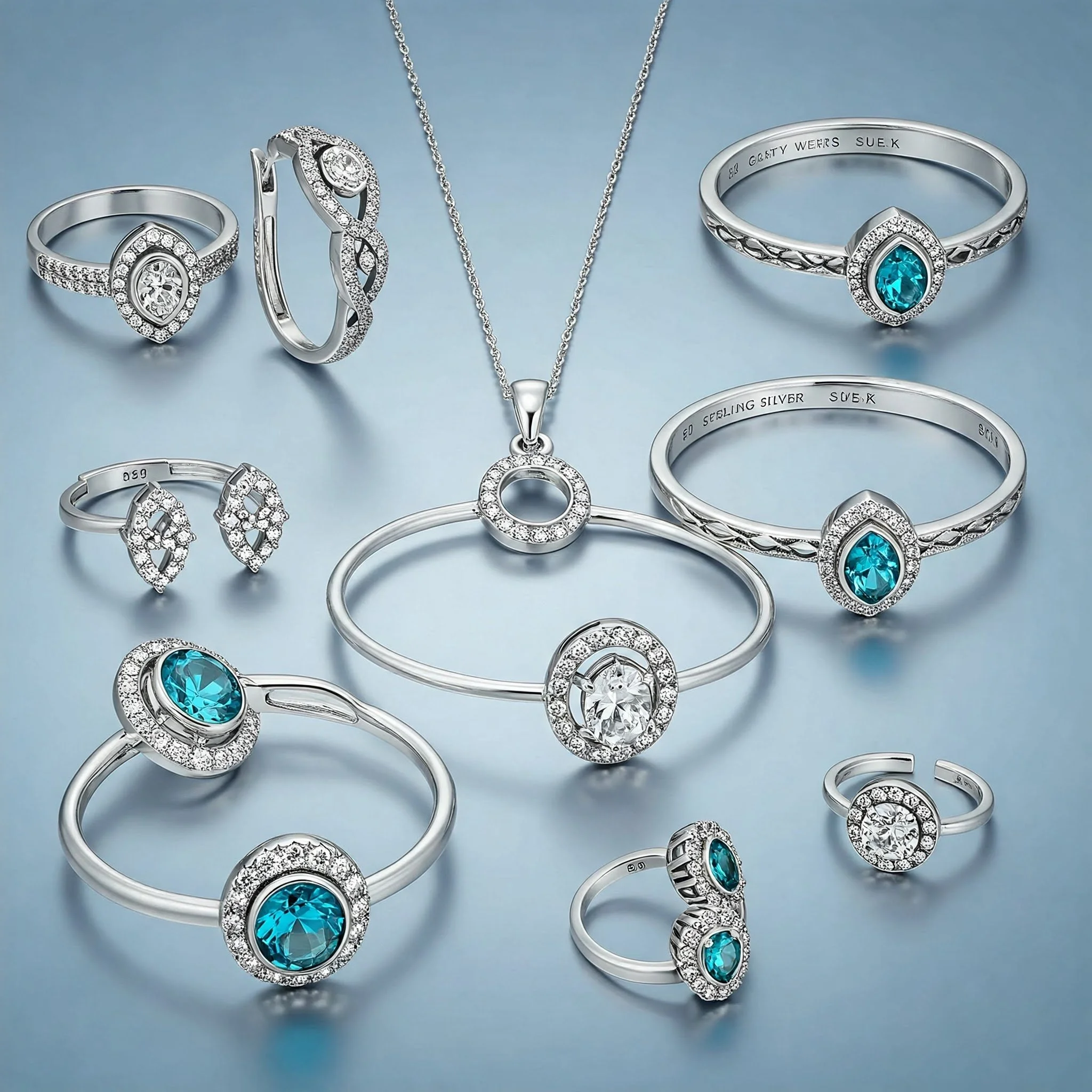
A Brief History of Sterling Silver in Jewellery.
Sterling silver, an alloy of silver containing 92.5% pure silver and 7.5% other metals, typically copper, has a history that stretches back millennia. Its use in jewellery can be traced to ancient civilisations, where its beauty and malleability were highly prized.
Ancient Origins.
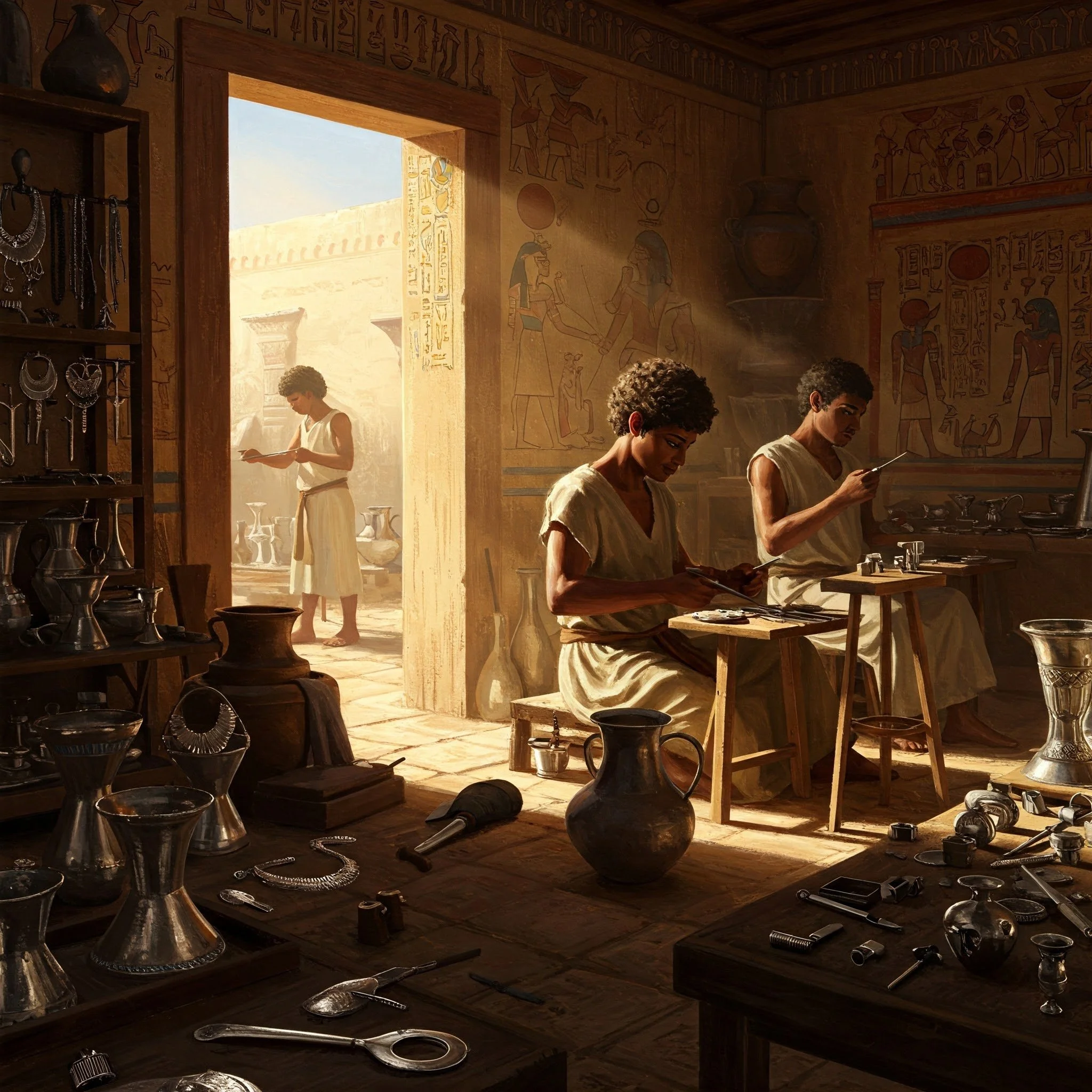
Early evidence of silver-working dates back to ancient Egypt and Mesopotamia, where silver was used for both decorative and functional objects.
By the time of the ancient Greeks and Romans, silver jewellery was a symbol of status and wealth, often intricately crafted with elaborate designs.
The Rise of Sterling Silver.
The term "sterling" is believed to have originated in England during the 12th century, possibly derived from the "Easterlings," skilled silversmiths from the Baltic region.
King Henry II standardized the purity of sterling silver, establishing a hallmark system to guarantee its quality. This system, with its hallmarks, is still used today.
Hallmarks offer a way to trace the origin of a piece, and the artist who created it.

Medieval and Renaissance Splendor.
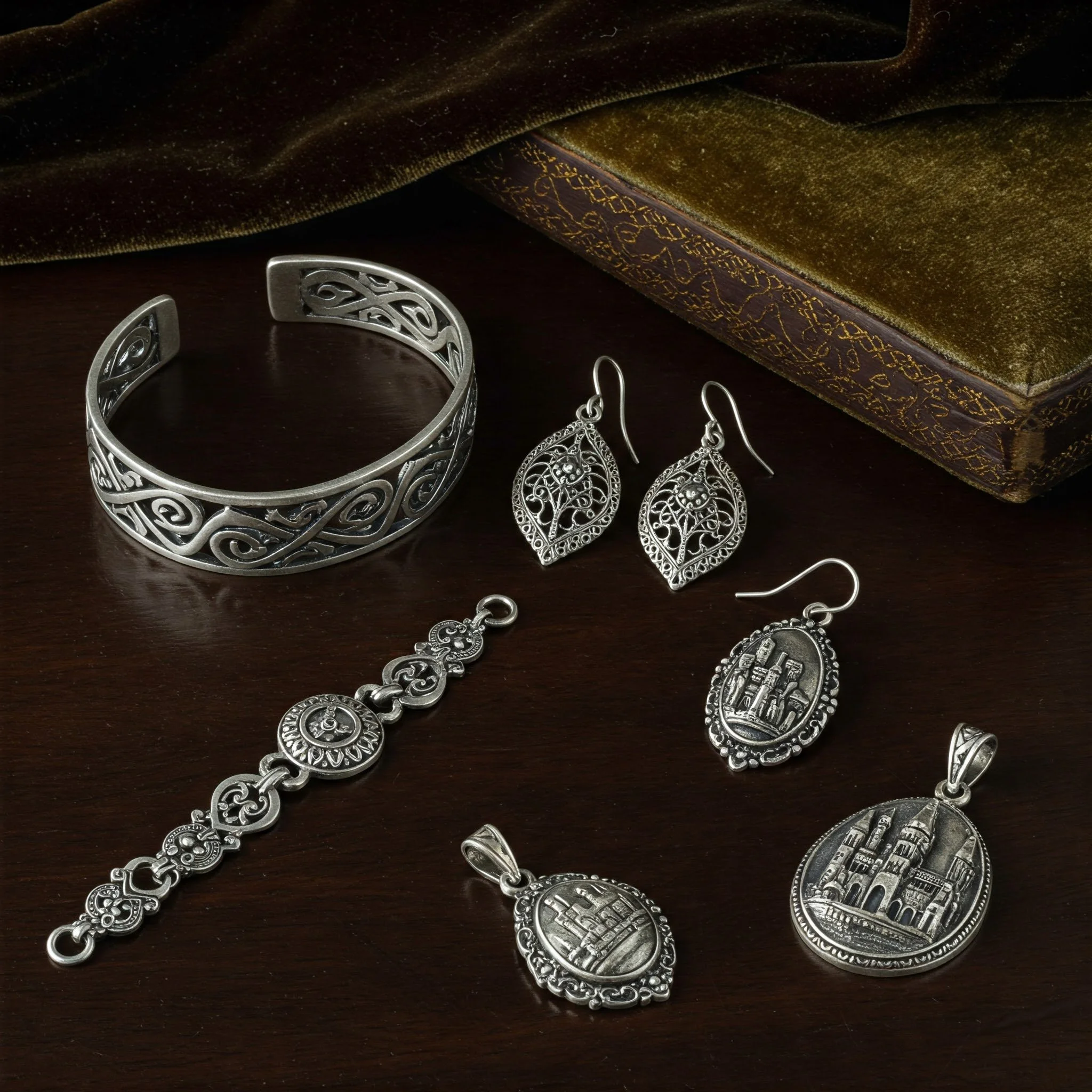
During the medieval and Renaissance periods, sterling silver was used to create elaborate ecclesiastical pieces, ceremonial objects, and personal adornments.
Silversmiths developed sophisticated techniques, including filigree, granulation, and chasing, to create intricate and breathtaking designs.
The Industrial Revolution and Beyond
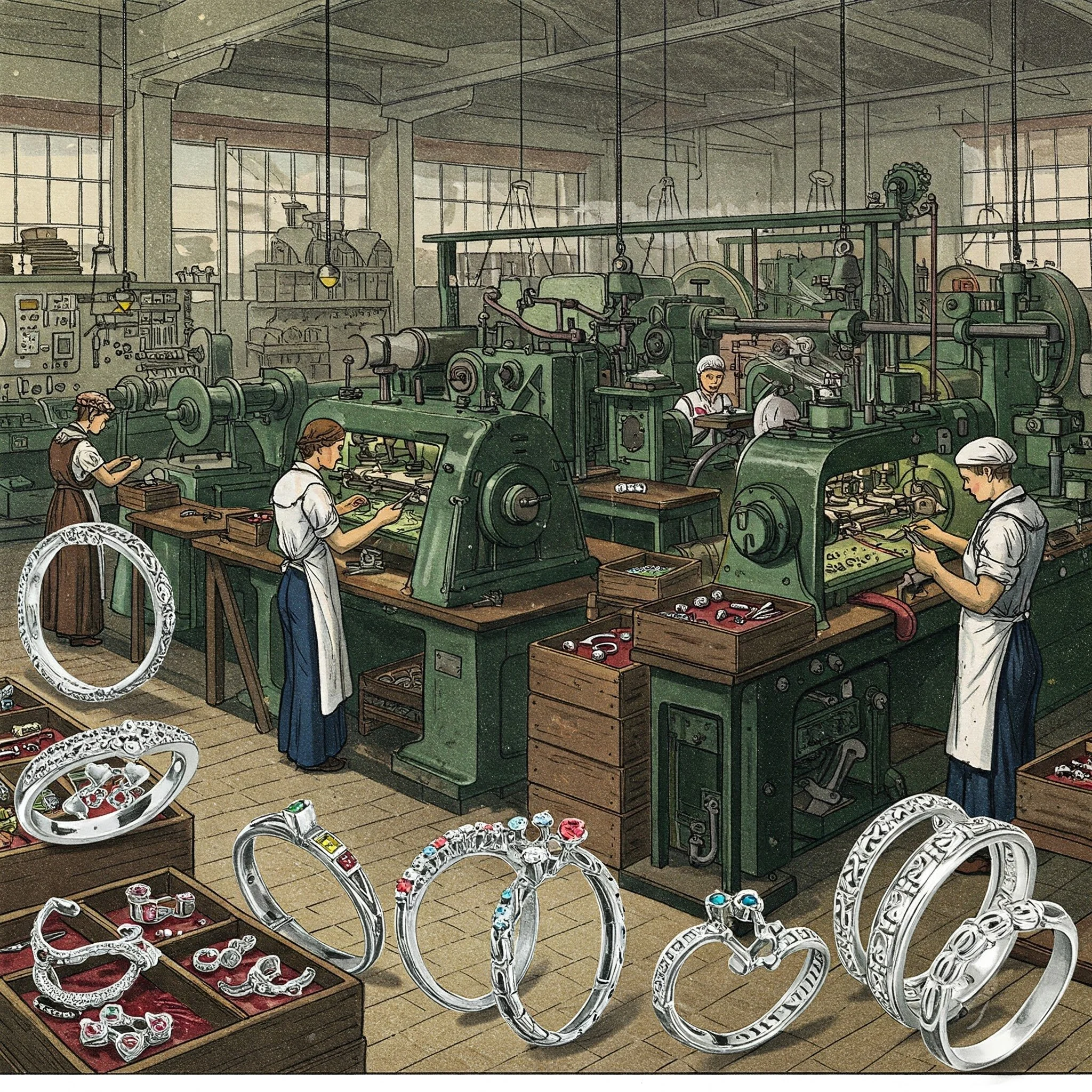
The Industrial Revolution brought about new manufacturing processes, making sterling silver jewellery more accessible to a wider audience.
The Arts and Crafts movement, in the late 19th and early 20th centuries, saw a resurgence in handcrafted sterling silver jewellery, with a focus on natural forms and organic designs.
The Art Nouveau and Art Deco periods also heavily featured sterling silver in their designs.